
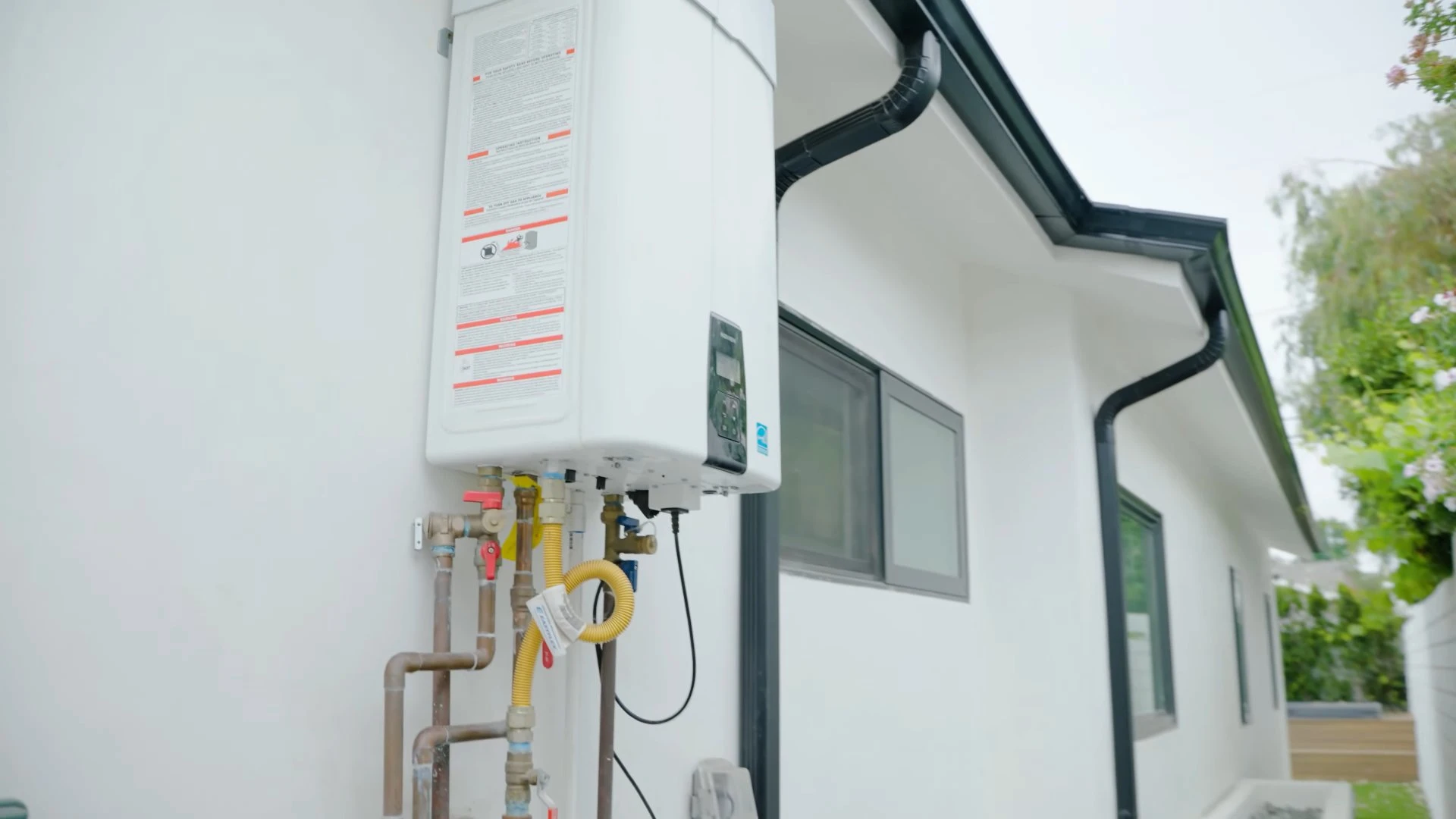
Water Heater Repair and Installation in Lake Stevens, WA
Eby Plumbing repairs and replaces water heaters across Lake Stevens, WA — tank and tankless, gas and electric. If the tank is leaking from the base, it needs replacement; if a single part failed on a younger unit, repair usually wins. Call (425) 555-0132 for a written quote before any work begins.
Why so many Lake Stevens water heaters are failing at once
The typical Lake Stevens home was built around 1993, and the subdivisions that filled in through the late 1990s and 2000s — Soper Hill, Frontier Village, parts of Lochsloy and Getchell Hill — went up in waves with the same builder-grade tank water heaters. A tank heater lasts 8 to 12 years. That means whole streets are hitting their second or third replacement cycle at the same time, and many of the units out there are already past it.
This is the age-cliff pattern: when every house on the block got its water heater within a few years of each other, they start failing within a few years of each other. If your home is from that era and the heater is original or a single replacement from the late 2000s, you are living on borrowed time. The rating plate on the side of the unit lists the manufacture date — check it before the tank makes the decision for you.
One piece of good news: Snohomish County PUD water runs about 73 ppm hardness, which is soft. Hard water destroys tanks and elements with scale; Lake Stevens does not have that problem. Sediment still accumulates and anode rods still corrode, so flushing the tank yearly and checking the anode rod every few years adds real life — but the water itself is not working against you.
Should I repair or replace my water heater?
The decision comes down to three things: what failed, how old the unit is, and what the repair costs relative to replacement. A single failed component on a unit under 8 years old — a thermostat, an electric element, a thermocouple, a gas valve — is almost always worth repairing. The tank has years left and the fix is straightforward. A tank leaking from the base is never worth repairing: the steel has rusted through, and no part swap changes that.
Between 8 and 12 years, use the half rule: if the repair costs more than half of a new unit, replace. A major component failure on a 10-year-old tank is a bad bet because the tank itself is near the end of its design life and you will be paying for installation twice. Over 12 years, replacement is the default unless the repair is trivial.
| Situation | Repair | Replace |
|---|---|---|
| Failed thermostat or heating element, unit under 8 years | Yes | Not needed |
| Failed gas valve or thermocouple, unit under 8 years | Yes | Not needed |
| Leaking temperature-and-pressure relief valve | Yes | Not needed |
| Tank leaking from the base, any age | No — tank has failed | Yes |
| Any major repair on a unit over 10–12 years | Rarely worth it | Yes — consider tankless |
| Running out of hot water, unit correctly sized and young | Check dip tube and sediment first | Only if tank is failing |
Scope depends on unit size, fuel type, venting, and access — confirmed with a written quote before work begins.
What does water heater work cost?
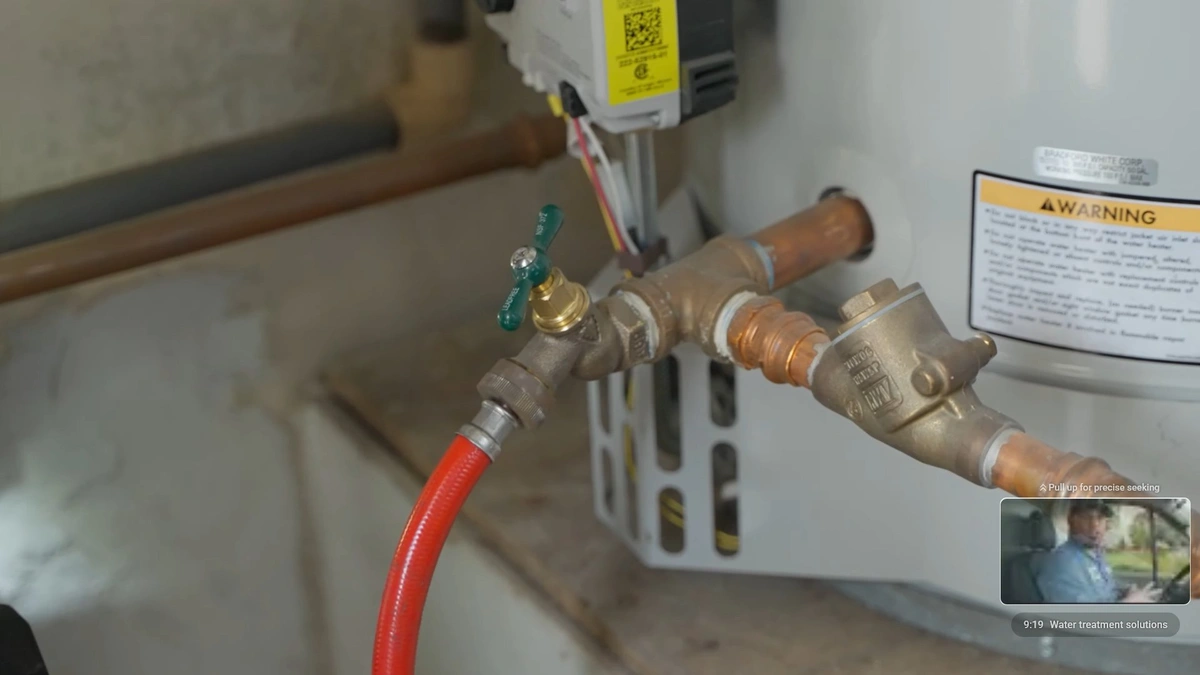
Simple repairs cover elements, thermostats, thermocouples, and relief valves. A full tank replacement includes the unit, permit, seismic strapping, venting or electrical hookup, haul-away of the old tank, and the inspection. Tankless installations need dedicated venting and often a larger gas line.
Every installation includes the permit. Water heater replacement in Lake Stevens requires a permit and inspection — it covers venting, seismic strapping, the relief-valve drain, and gas or electrical connections. Skipping it saves nothing and creates a problem at resale or with an insurance claim.
Tank or tankless: which fits your home?
Tankless units cost roughly twice as much to install but eliminate standby heat loss and last 15 to 20 years with maintenance, versus 8 to 12 for a tank. They suit households with high, overlapping hot water demand — back-to-back showers, laundry running while someone bathes. They need adequate gas supply and proper venting, which is where much of the installation cost goes, and they require periodic descaling even in soft-water areas.
A modern high-efficiency tank is often the better value for smaller households or homes where the existing venting and gas line already suit a tank. Recovery is slower than tankless, but the installed price is half and maintenance is a yearly flush and an occasional anode rod. Our tank vs tankless guide walks through the math for your household size, and when to replace your water heater covers the warning signs in more detail.
Water heater symptoms and what they mean
The tank has rusted through. Shut off power and the cold-water valve on top, then call for replacement — this cannot be repaired.
Electric: likely a failed element or thermostat. Gas: pilot, thermocouple, or gas valve. Both are usually repairable on younger units.
Sediment has displaced capacity, the dip tube is broken, or a lower element failed. A flush and inspection finds which.
Sediment boiling at the bottom of the tank. A flush helps if the tank is otherwise healthy; rumbling in an old tank means start planning replacement.
The anode rod is spent and the tank is corroding. A new anode rod buys time on a younger tank; on an old one it is a replacement warning.
The temperature-and-pressure valve is doing its job or has failed. Either way it needs a look — high pressure or temperature is a safety issue.
What extends a water heater's life?
Flush a gallon or two from the drain valve every year to clear sediment — more if you hear rumbling. Check the anode rod every three to five years; replacing a worn anode rod can add years to a tank that is otherwise sound. Keep the area around the heater clear so it can breathe and so leaks are visible early. And know where your shutoffs are: the cold-water valve on top of the heater and the main valve for the house, covered in our shutoff checklist.
If your heater sits in a garage or an unfinished space where a leak would spread, a drain pan with a drain line and a simple leak alarm are cheap insurance. Water heaters fail quietly — the first sign is often a soaked box in the garage.
Related reading
- Contact Eby Plumbing for water heater repair or an estimate
- Tank vs tankless water heater guide
- When to replace your water heater
- Plumber in Everett, WA and plumber in Monroe, WA
Last updated: October 2026
Frequently asked questions
Should I repair or replace my water heater?
Replace it if the tank itself is leaking, the unit is over 10 to 12 years old, or the repair costs more than half of a new unit. Repair it if the problem is a single component — a thermostat, heating element, gas valve, or thermocouple — on a unit under 8 years old. A tank leaking from the base cannot be repaired; the steel has failed and the unit needs replacement.
Repair or replace: how do I decide on my water heater?
Age is the biggest factor — past 10 to 12 years for a tank, replacement usually beats another repair. Frequent repairs, rusty water, rumbling sediment, or a leaking tank all point to replacement. We will give you an honest read either way.
How long do water heaters last in Lake Stevens?
Tank water heaters typically last 8 to 12 years, and tankless units last 15 to 20 years with maintenance. Lake Stevens has soft water at about 73 ppm hardness, which is gentler on tanks and heating elements than hard water. Anode rod condition, sediment flushing, and installation quality matter more than the local water. Check the manufacturer date on the rating plate to know your unit's age.
Is a tankless water heater worth it in Lake Stevens?
It depends on your hot water use. Tankless units cost roughly twice as much installed but last longer and cut standby energy loss, which suits larger households with back-to-back showers. For a small household with modest use, a modern high-efficiency tank is often the better value. Soft local water also means less scale buildup in tankless heat exchangers. Our tank vs tankless guide breaks down the math.
Why is my water heater leaking?
Water at the top usually means a failed inlet or outlet connection, a leaking temperature-and-pressure relief valve, or a corroded nipple — all repairable. Water pooling at the base usually means the tank itself has rusted through, which is not repairable. Shut off power at the breaker and the cold-water valve on top, then call. Do not keep using a tank that leaks from the base.
Do I need a permit to replace a water heater in Lake Stevens?
Yes. Water heater replacement in Lake Stevens requires a permit and inspection through the City of Lake Stevens or Snohomish County, depending on your address. The permit covers proper venting, seismic strapping, the temperature-and-pressure relief drain, and gas or electrical connections. We pull the permit as part of the installation and schedule the inspection.
Need a plumber in Lake Stevens, WA?
Call Eby Plumbing for same-day service across Lake Stevens and surrounding areas.
Call (425) 555-0132