Septic vs Sewer in Lake Stevens, WA: Which One Do You Have?
In Lake Stevens, WA, your wastewater either flows to the Lake Stevens Sewer District through a lateral line or stays on your property in a septic system. Check your bills for a sewer charge, look for septic lids in your yard, or search Snohomish County records. Which one you have decides who fixes what.
How can I tell whether my Lake Stevens home is on septic or sewer?
Start with your bills. If you pay a monthly charge to the Lake Stevens Sewer District, you are on sewer. No sewer bill usually means septic — Snohomish County has roughly 84,000 septic systems, and plenty of Lake Stevens neighborhoods, especially around Lochsloy, Getchell Hill, and the areas outside the District's service boundary, still run on private systems.
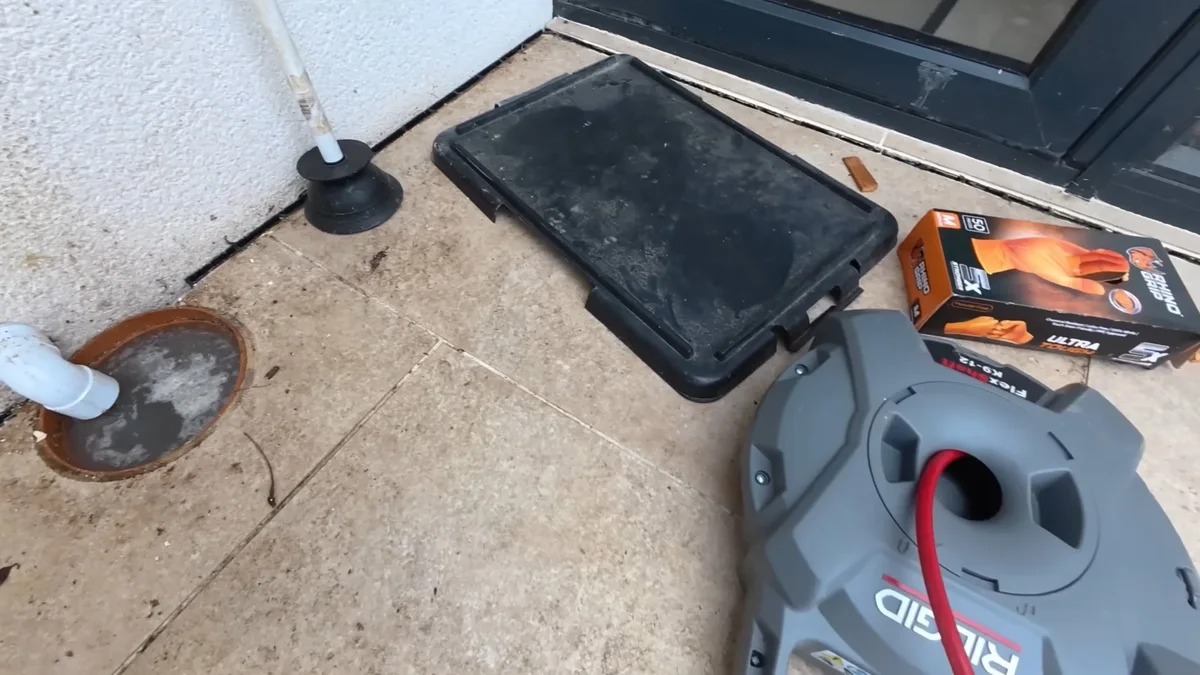
Next, walk your yard. Septic tanks leave evidence: round or square concrete or plastic lids, sometimes with green risers sticking up a few inches, usually 10 to 25 feet from the house. A sewer lateral leaves almost no trace — maybe a cleanout cap near the foundation or property line. If you are unsure, search your parcel on the Snohomish County property records site, which often notes the sewage disposal type, or call the Lake Stevens Sewer District at (425) 334-8588 and ask whether your address is connected. Buying a home? Ask the seller directly and get it in writing.
What does owning a septic system actually mean?
It means the entire system is yours. The tank, the baffles, the drainfield, the pump if you have one — every component from the house outward is the homeowner's property and the homeowner's repair bill. Nobody sends you a monthly bill, but nobody fixes it for free either.
Day to day, a healthy septic system asks little of you: pump the tank every three to five years, keep vehicles and heavy equipment off the drainfield, and be careful what goes down the drains. Grease, wipes (even "flushable" ones), and harsh chemicals shorten a system's life. The expensive failure is the drainfield — once solids or biomat clog the soil, replacement runs into the tens of thousands of dollars, plus permits through Snohomish County Health. Regular pumping is the cheapest insurance a septic owner can buy.
One more thing septic owners in Snohomish County need on their calendar: starting November 1, 2026, a septic inspection is required before a property with a septic system can be sold. Read the full breakdown in our Snohomish County septic inspection mandate guide.
What does being connected to sewer actually mean?
It means your wastewater leaves your property and becomes someone else's job — mostly. The Lake Stevens Sewer District owns and maintains the public sewer mains, the pump stations, and the treatment facilities. You pay a monthly rate for that service (verify current rates on the District's site, lkstevenssewer.org, before budgeting).
The part that surprises homeowners: you own the lateral. The lateral is the pipe running from your house to the public main, and maintenance, root intrusion, collapses, and full replacement of that line are the homeowner's responsibility, not the District's. If sewage backs up into your home, call the District first — they will check whether the blockage is in the public main (their problem) or your lateral (yours). A camera inspection of the lateral costs a few hundred dollars and answers the question definitively. Our sewer line repair page covers what lateral work involves, and the Sewer District guide maps out exactly where their responsibility ends and yours begins.
Which is better: septic or sewer in Lake Stevens?
There is no universal winner — it depends on your budget style and your property. Here is the honest comparison:
| Septic | Public sewer | |
|---|---|---|
| Monthly bill | None | Yes — check the District’s current rates |
| Routine maintenance | Pumping every 3–5 years | None for the homeowner |
| Who owns the system | You own everything | You own the lateral; the District owns the mains |
| Worst-case repair | Drainfield replacement (very expensive) | Lateral replacement (expensive, but less than a drainfield) |
| Selling your home | Time-of-sale inspection required from Nov 1, 2026 | No septic inspection needed |
| Usage limits | Watch what goes down the drain | Fewer restrictions on the homeowner |
Sewer trades a predictable monthly bill for freedom from system ownership. Septic trades no monthly bill for full responsibility. Over 20 years, the totals land closer together than most homeowners expect.
What does each option cost to live with?
Sewer costs are simple: the monthly District rate, plus any lateral repairs if your line fails. Budget for a camera inspection every few years if your lateral is older clay or Orangeburg pipe with root intrusion history — catching trouble early beats an emergency dig later.
Septic costs come in lumps: pumping every three to five years, inspections, and minor tank repairs — baffles, lids, risers. Drainfield replacement is the big one, driven by soil, permits, and system size. We confirm a written quote before work begins.
Can I switch from septic to sewer?
Sometimes. If a public sewer main runs along your street or an easement near your property, you can usually pay connection fees, get permits, and have a plumber run a new lateral from your house to the main, then properly abandon the septic tank per county rules. If no main is nearby, the cost of extending one makes conversion impractical. The first call is to the Lake Stevens Sewer District — they can tell you whether sewer is available at your address and what the connection fees look like. The second call is to a plumber for the lateral work itself.
Last updated: October 2026
Not sure which system you have, or dealing with a backup, slow drains, or a failing drainfield? Contact Eby Plumbing — we service both septic and sewer homes across Lake Stevens, and our septic services cover pumping coordination, inspections, and repairs.
Frequently asked questions
How can I tell if my Lake Stevens home is on septic or sewer?
Check your bills for a monthly charge from the Lake Stevens Sewer District. Walk your yard for round or square septic lids and risers. Search your parcel on Snohomish County records, or call the Sewer District to ask whether your address is connected.
Who is responsible for fixing a sewer lateral in Lake Stevens?
You are. The Lake Stevens Sewer District maintains the public mains; the homeowner owns and maintains the lateral line that runs from the house to the main. Lateral repairs and replacement are the homeowner's bill, which is why a camera inspection before buying matters.
How often should a septic tank be pumped in Snohomish County?
Most household septic tanks need pumping every three to five years, depending on household size and use. Skipping pumping lets solids carry into the drainfield, and drainfield failure is the most expensive septic repair a homeowner can face.
Can I switch from septic to sewer in Lake Stevens?
Sometimes. If a public sewer main runs near your property, you can usually pay for a connection and abandon the septic system, but it involves permits, connection fees, and a licensed plumber to run the new lateral. Call the Lake Stevens Sewer District first to confirm availability and cost.
Does having septic instead of sewer affect selling my home?
Yes. Starting November 1, 2026, Snohomish County requires a septic inspection before a property with a septic system can be sold. Budget time and money for the inspection, and fix any failures before listing if you want a smooth closing.
Septic vs sewer: what are the practical differences?
Sewer means a predictable monthly bill and no maintenance on your end. Septic means no monthly bill but regular pumping every few years, plus the responsibility for inspections and any drainfield repairs. Over decades the total costs land closer than most people expect.
Need a plumber in Lake Stevens, WA?
Call Eby Plumbing for same-day service across Lake Stevens and surrounding areas.
Call (425) 555-0132