
Lake Stevens, WA Water Quality: What Homeowners Should Know
Lake Stevens gets its drinking water from Snohomish County PUD, and the water is soft — about 73 parts per million hardness in the 2024 water-quality report. There is no hard-water problem here. Soft water is easier on pipes and water heaters, but it means soap lathers fast and you can use less detergent.
What is the water quality like in Lake Stevens, WA?
Good — and soft. Lake Stevens is served by Snohomish County PUD, which draws from protected watershed sources and publishes an annual water-quality report with full test results. The headline number for homeowners: hardness of about 73 parts per million (ppm) in the 2024 report. That puts Lake Stevens water firmly in the soft range, well below the 120–180 ppm levels where hard water starts causing visible scale on fixtures and inside water heaters.
The water meets all state and federal drinking water standards. If you moved here from the Midwest, the Southwest, or Eastern Washington — places where hard water crusts up faucets and kills water heaters early — the honest news is that Lake Stevens does not have that problem. Do not let anyone sell you a solution to a problem your water does not have.
Is Lake Stevens water hard or soft?
Soft. Water hardness measures dissolved calcium and magnesium. On the commonly used scale, 0–60 ppm is soft, and water stays easy on plumbing well past that point; problem-level hard water typically starts around 120–180 ppm and gets severe above that. At about 73 ppm, Lake Stevens water is soft by any practical standard — it will not leave the chalky white scale on showerheads, faucets, and glass that defines hard-water regions.
This matters because a lot of plumbing advice on the internet assumes hard water. Articles warning about annual water-heater flushes to fight sediment, descaling tankless units every year, and replacing anode rods on a hard schedule are written for hard-water homes. In Lake Stevens, those chores matter less. Sediment still accumulates in tank water heaters over time — flushing every year or two is still good maintenance — but you are not fighting the heavy mineral load that shortens equipment life in hard-water cities.
What does soft water mean for my plumbing?
Mostly good news. Soft water leaves far less mineral scale inside supply pipes, fixture cartridges, and water heater tanks. Scale is the enemy of efficiency: a tank water heater with heavy scale buildup heats water through an insulating layer of minerals, burning more energy for the same hot shower. With soft PUD water, that buildup happens slowly, which helps water heaters run closer to their rated efficiency for more of their lifespan.
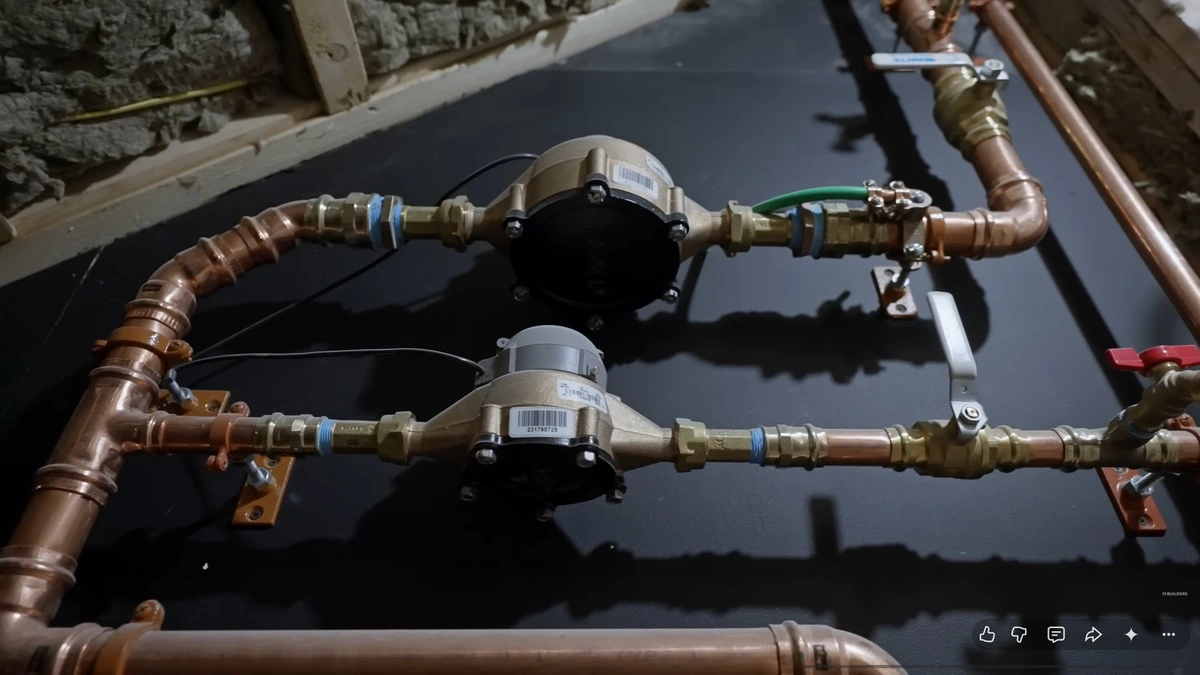
Soft water does not corrode modern plumbing. Copper and PEX supply lines — the materials in the vast majority of Lake Stevens homes — handle soft water without issue. The pinhole-leak problems you sometimes hear about come from aggressive water chemistry (low pH, high chloramine) or old installation practices, not from softness itself. If your home still has original galvanized steel pipe from an older build, age is the concern, not the water — see our repiping page if your pressure is dropping or your water runs rusty.
What does soft water mean for soap, laundry, and dishes?
This is where newcomers notice the difference. Soft water makes soap lather aggressively and rinse with a slippery feel that some people mistake for soap residue. It is not residue — it is your skin's natural oils, which hard water normally strips away and soft water leaves alone. You get used to it in a week or two.
The practical adjustment: use less product. Cut your laundry detergent, dish soap, and shampoo by a third to a half and see how it goes — most people find their old hard-water amounts just make excess suds. Your dishwasher will also behave differently: soft water plus full detergent doses can etch glassware over time, so dial back the detergent and skip the extra rinse aid until you see how your machine performs. These are free adjustments that save real money over a year.
Do I need a water softener or filtration in Lake Stevens?
A water softener: no. Softeners remove hardness minerals, and at 73 ppm there is nothing meaningful to remove. Installing one means thousands of dollars in equipment plus ongoing salt and maintenance, for water that is already soft. It is one of the most common upsells in the plumbing industry, and in Lake Stevens it is money spent for zero benefit.
Filtration is a different question and comes down to taste, not plumbing. PUD water is treated and safe, but some households prefer a carbon filter for chlorine taste. That is a preference, not a plumbing need — a simple under-sink or whole-house carbon filter handles it for a few hundred dollars. If anyone quotes you a multi-thousand-dollar "water treatment system" for a Lake Stevens home, get a second opinion before signing anything. Our water heater page covers what your heater actually needs in soft-water conditions.
Where can I read the actual water-quality report?
Snohomish County PUD publishes its annual water-quality report (sometimes called the Consumer Confidence Report) on the PUD's official website, snopud.com. It lists hardness, mineral content, and test results for every regulated contaminant, plus the water sources serving your area. If you are buying a home on a private well rather than PUD water — common in parts of Lochsloy and the outskirts — well water is a different story: get it tested for hardness, iron, manganese, and bacteria before you close, because private wells are not covered by the PUD's report.
Last updated: October 2026
Questions about your water, your pipes, or your water heater? Contact Eby Plumbing — we will give you a straight answer about what your Lake Stevens home actually needs, and we will tell you when the answer is nothing.
Frequently asked questions
What is the water quality like in Lake Stevens, WA?
Lake Stevens drinking water comes from Snohomish County PUD and is soft, measuring about 73 parts per million hardness in the PUD's 2024 water-quality report. It meets all state and federal drinking water standards. There is no hard-water problem in Lake Stevens.
Is Lake Stevens water hard or soft?
Soft. At about 73 ppm hardness, Lake Stevens water sits well below the levels where mineral scaling becomes a plumbing problem. For comparison, truly hard water starts around 120 to 180 ppm and causes visible scale buildup.
Do I need a water softener in Lake Stevens?
No. A water softener solves a hard-water problem, and Lake Stevens does not have one. Installing a softener on already-soft water wastes money on equipment, salt, and maintenance for no benefit. Save the money.
Does soft water damage plumbing or water heaters?
Soft water is easier on plumbing than hard water. It leaves far less mineral scale inside pipes, fixtures, and water heater tanks, which helps water heaters run efficiently and can extend their service life. It does not corrode modern copper or PEX supply lines.
Why does my soap not rinse off in Lake Stevens?
That slippery feeling is soft water doing its job, not soap residue. Soft water rinses soap completely with less product, so you can cut back on detergent, shampoo, and dish soap. Using hard-water amounts of soap in soft water just wastes product.
Where does Lake Stevens drinking water come from?
Lake Stevens is served by Snohomish County PUD, which sources water from the Sultan River watershed and the Lake Stevens area system. The PUD publishes an annual water-quality report with test results for hardness, minerals, and regulated contaminants.
Need a plumber in Lake Stevens, WA?
Call Eby Plumbing for same-day service across Lake Stevens and surrounding areas.
Call (425) 555-0132